


 Contact Now


Send Message
Privacy statement: Your privacy is very important to Us. Our company promises not to disclose your personal information to any external company with out your explicit permission.
Products


Model No.: ST-Sea Buckthorn Extract
Types Of: Herbal Extract
Traits: Powder
Location: Bark
Extraction Method: Liquid-Solid Extraction
Package: Drum, Plastic Container
Place Of Origin: China
Product Name: Sea Buckthorn Fruit Extract Powder
Botanical Name: Hippophae rhamnoides L.
Plant Part: Fruit
Ingredient Form: Fine powder
Extraction Ratios: 10:1, 20:1
Standardization Options: Total flavonoids, total polyphenols, vitamin C, isorhamnetin
Analytical Methods: HPLC, UV spectrophotometry
Related Ingredient Forms: Sea buckthorn juice powder, seed extract, fruit oil microencapsulated powder
Appearance: Powder; actual color depends on raw material and processing
Main Applications: Dietary supplements, functional foods, solid beverages, food and beverage products, skincare and cosmetics
Quality Control: Heavy metal testing, microbiological testing
Batch Documentation: Certificate of Analysis (COA)
Transportation: Ocean,Land,Air,Express
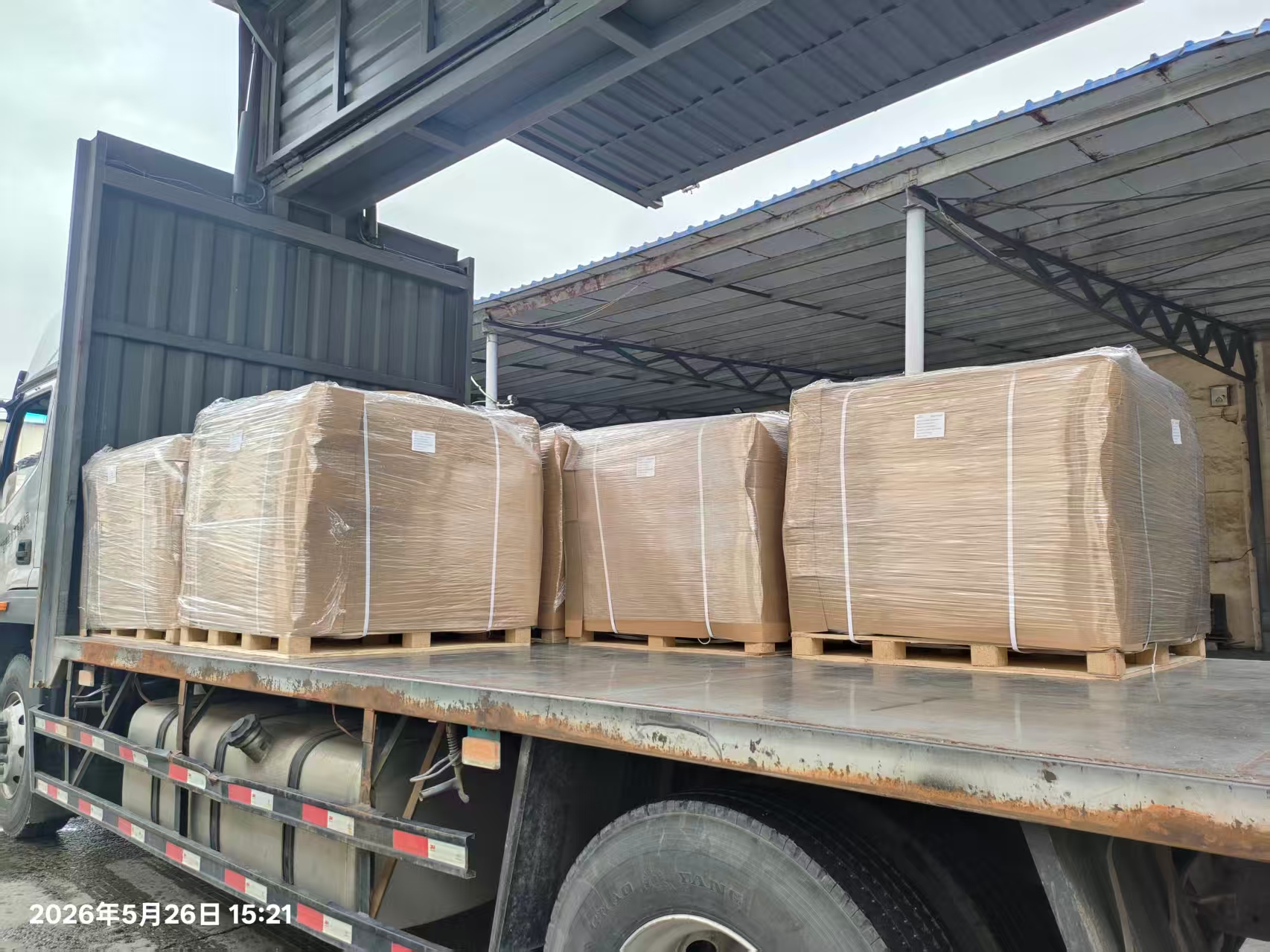
Supply Ability: 100000KGS
Port: SHANGHAI,BEIJING,QINGDAO
Payment Type: T/T,Paypal
Incoterm: FOB,Express Delivery,DDP,FCA,EXW,CIF



Sea Buckthorn Fruit Extract Powder is a botanical ingredient derived from the fruits of Hippophae rhamnoides L., a plant belonging to the Elaeagnaceae family. The fruit contains various naturally occurring phytochemicals, including flavonoids, polyphenols, organic acids, vitamins, and other plant-derived compounds. Its chemical composition can vary depending on the botanical variety, growing conditions, fruit maturity, and extraction process.
Sea buckthorn fruit extract is available in several ingredient forms to meet different formulation requirements. Conventional concentrated extracts are commonly specified using extraction ratios such as 10:1 and 20:1. These designations describe the relationship between the starting botanical material and the resulting extract, although they do not independently establish the concentration of individual active compounds.
Standardized sea buckthorn extracts provide another formulation option. These ingredients can be characterized by total flavonoids, total polyphenols, vitamin C, or specific flavonoid compounds such as isorhamnetin. Analytical specifications help define the chemical profile of the finished ingredient and support consistency between production batches.
In addition to conventional fruit extract powder, related sea buckthorn ingredients include sea buckthorn juice powder, sea buckthorn seed extract, and sea buckthorn fruit oil microencapsulated powder. Each product has a different composition and intended formulation function. Selecting the appropriate ingredient depends on the target application, required phytochemical profile, processing conditions, and finished product format.
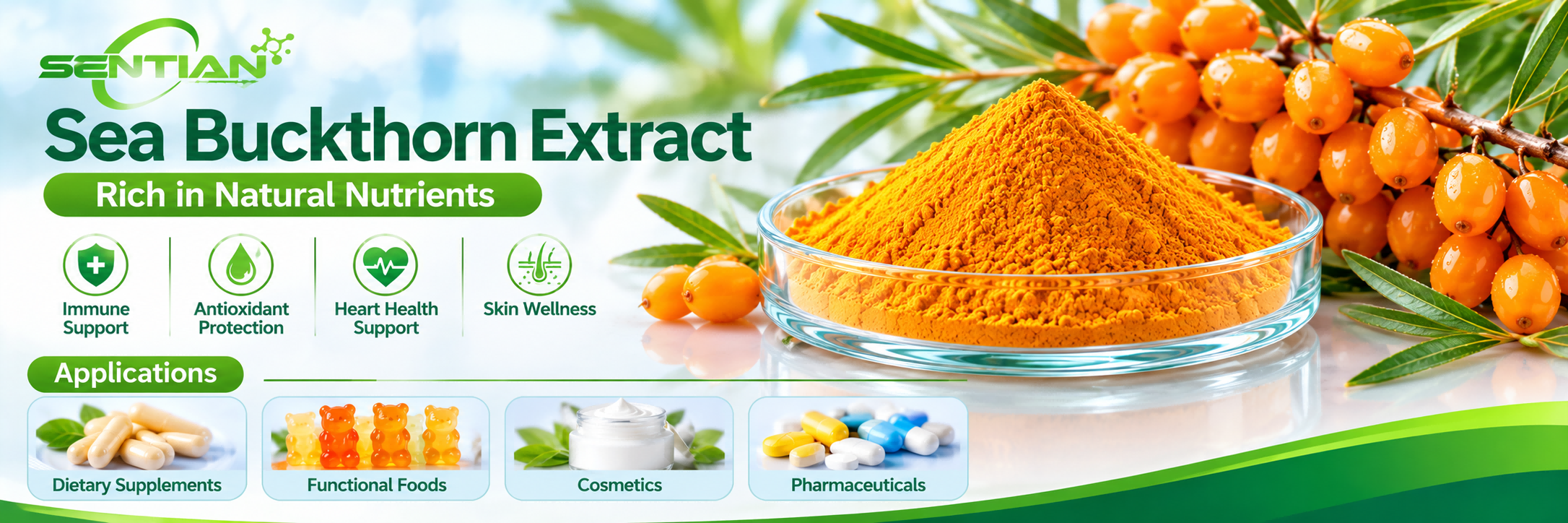

Sea buckthorn fruit extract contains multiple classes of naturally occurring plant compounds. Flavonoids and polyphenols are important constituents used to characterize its phytochemical composition. Isorhamnetin, a flavonol compound, is another relevant marker for certain standardized sea buckthorn extracts.
The selection of a 10:1 or 20:1 extract depends on the desired concentration format and the formulation's ingredient requirements. Extraction ratios provide a basic description of the concentration process but should not be interpreted as direct measurements of active ingredient content. For applications requiring defined phytochemical levels, standardized extracts with specified marker compounds offer a more measurable alternative.
Total flavonoid and total polyphenol specifications are commonly used to describe the broader phenolic profile of botanical extracts. UV spectrophotometry can be applied to relevant group-based assays, depending on the analytical method and reference standard. HPLC provides a more selective analytical approach for identifying and quantifying individual compounds, including isorhamnetin and vitamin C when appropriate validated methods are available.
Vitamin C is another compositional parameter that may be considered when evaluating sea buckthorn fruit ingredients. Its measured content can be affected by raw material quality, extraction conditions, exposure to oxygen, temperature, and storage conditions. Consequently, the vitamin C specification should be supported by an appropriate analytical method and controlled storage conditions.
From a formulation perspective, powder ingredients offer flexibility in blending and dry processing. However, their solubility, dispersibility, color, taste, moisture content, and stability should be evaluated in the intended finished product. These characteristics can differ between concentrated extracts, juice powders, and oil-based microencapsulated ingredients.

Dietary Supplements
Sea buckthorn fruit extract powder can be incorporated into capsules, tablets, powdered blends, and other dietary supplement formats. Concentrated 10:1 and 20:1 extracts provide ratio-based ingredient options, while standardized extracts can be selected when a defined flavonoid, polyphenol, vitamin C, or isorhamnetin profile is required. The appropriate specification depends on the product composition and intended labeling requirements.
Functional Foods
In functional food formulations, sea buckthorn fruit extract can be used as a botanical ingredient in nutritional powders, food blends, and other processed food products. Formulators should evaluate its natural color, characteristic fruit flavor, compatibility with other ingredients, and stability during processing.
Solid Beverages
Powdered sea buckthorn ingredients can be included in instant beverage mixes and dry drink formulations. Important considerations include dispersibility, moisture control, flavor compatibility, and storage stability. Sea buckthorn juice powder may be considered when a fruit juice-based ingredient format is preferred over a concentrated botanical extract.
Food and Beverage Products
Sea buckthorn fruit extract is suitable for evaluation in different food and beverage systems. Its compatibility depends on the processing temperature, pH, moisture level, and interactions with other formulation components. Ingredient selection should account for the intended product characteristics and relevant food regulations.
Skincare and Cosmetics
Sea buckthorn-derived ingredients can also be considered for cosmetic formulations. Fruit extracts provide a source of botanical phytochemicals, while seed extracts and fruit oil ingredients offer different compositional profiles. Oil-based ingredients and microencapsulated fruit oil powders should not be treated as interchangeable with water-based fruit extracts. Formulation compatibility, color stability, oxidation control, and cosmetic regulatory requirements should be assessed before use.

The composition of sea buckthorn fruit extract is influenced by the botanical source, raw material quality, extraction solvent, extraction temperature, concentration process, and drying technology. These factors can affect the recovery and stability of flavonoids, polyphenols, vitamin C, and other naturally occurring constituents.
For ratio-based ingredients, 10:1 and 20:1 specifications describe the extraction concentration relationship. Manufacturers and formulation developers should also consider the extraction process, carrier content, and final powder composition when comparing different materials.
For standardized sea buckthorn extract, the selected marker compounds and assay methods should be clearly defined. Total flavonoids and total polyphenols can be used as broader compositional indicators, whereas HPLC analysis can provide compound-specific information, including isorhamnetin. Vitamin C content should be evaluated using an appropriate analytical procedure because its stability can differ from that of other phytochemicals.
Quality control should include relevant heavy metal and microbiological testing. A batch-specific Certificate of Analysis provides documented information about the tested product and its compliance with established specifications. Depending on the intended application, additional testing may be required for moisture, residual solvents, pesticide residues, or other quality parameters.
Storage conditions are also relevant to maintaining ingredient quality. Sea buckthorn fruit extract powder should be protected from excessive heat, moisture, light, and prolonged exposure to oxygen where these factors may affect its stability. The final storage and packaging requirements should be determined using the product's physical and chemical characteristics.
Product Categories : Raw Health Products > Plant Extract


Home > Products > Raw Health Products > Plant Extract > Sea Buckthorn Fruit Extract Powder 10:1 20:1


Send Inquiry

Ms. Linda
Tel:
Fax:
Mobile Phone:+86 18602905487
Email:sales3@sentianbio.com
Address:Room 2002, Building B, Economic Development Building, Weiyang District, Xian, Shaanxi
Related Products List
Mobile Site

Privacy statement: Your privacy is very important to Us. Our company promises not to disclose your personal information to any external company with out your explicit permission.
Fill in more information so that we can get in touch with you faster
Privacy statement: Your privacy is very important to Us. Our company promises not to disclose your personal information to any external company with out your explicit permission.