


Send Message
Privacy statement: Your privacy is very important to Us. Our company promises not to disclose your personal information to any external company with out your explicit permission.
News
Home > Industry News > Ceramide Market Trends 2026: Growing Demand for Plant-Based Ceramides in Skin Care and Nutraceuticals
2026-11-25
Ceramide is becoming an increasingly important functional ingredient in the global cosmetics, personal care, and nutraceutical industries. With growing consumer awareness of skin barrier health, hydration, and healthy aging, ceramide-based formulations are gaining attention among skin care brands, cosmetic manufacturers, and dietary supplement developers.
Ceramides are naturally occurring lipids found in the outermost layer of human skin, known as the stratum corneum. Together with cholesterol and free fatty acids, they form an essential part of the skin's protective lipid barrier, helping maintain moisture and protect against external environmental stressors.
In 2026, the ceramide industry is seeing several important developments, including increasing interest in plant-derived phytoceramides, advances in fermentation technology, and expanding applications in oral beauty supplements and functional skin care products.
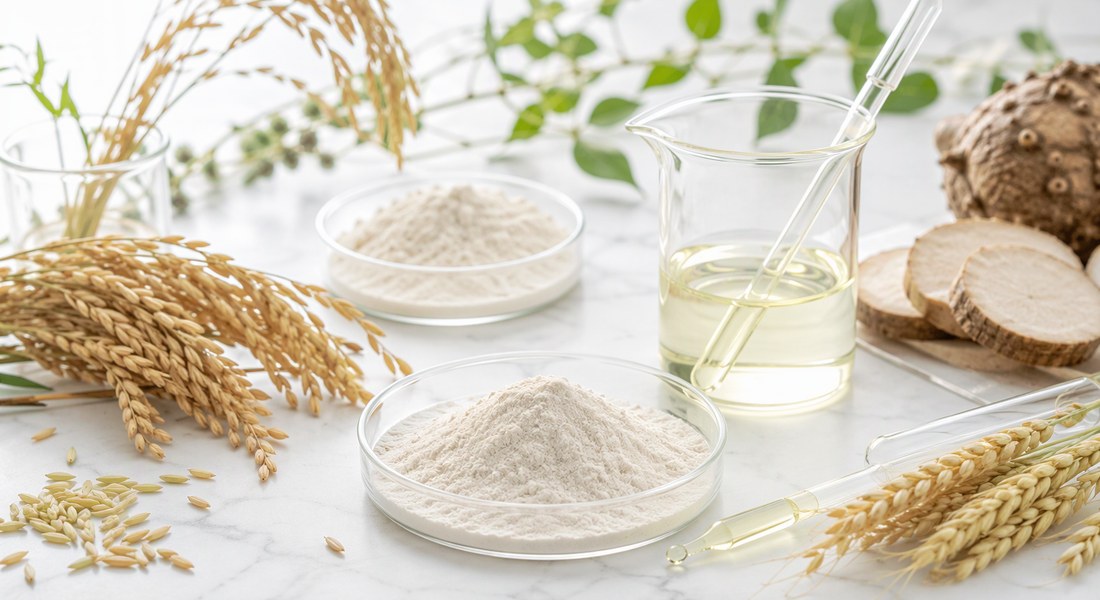
The global ceramide market is benefiting from increasing demand for advanced skin care ingredients and functional cosmetic formulations.
According to Grand View Research, the global ceramide market was valued at approximately USD 360.4 million in 2023 and is projected to reach USD 436.0 million in 2026. The market is forecast to grow at a compound annual growth rate (CAGR) of 6.8% from 2024 to 2030.
Several factors are contributing to this growth:
Rising demand for skin barrier repair products
Increasing consumer awareness of skin hydration and moisture retention
Growing popularity of anti-aging and sensitive skin care formulations
Expansion of natural and plant-based cosmetic ingredients
Increasing applications of ceramides in dietary supplements and beauty-from-within products
North America and Europe remain important markets for premium skin care and functional cosmetic ingredients, while Asia-Pacific continues to play a significant role in ceramide production and consumption.
For ingredient suppliers, these developments create opportunities to serve cosmetic brands, personal care manufacturers, and nutritional supplement companies seeking high-quality ceramide raw materials.
One of the notable trends in the ceramide industry is the growing interest in plant-derived ceramides, commonly known as phytoceramides.
Natural ceramides can be obtained from several botanical sources, including:
Rice bran
Wheat germ
Konjac
Corn
Soybeans
Among these sources, rice ceramide and wheat ceramide are frequently explored for cosmetic and nutritional applications.
Plant-derived ceramides generally contain sphingolipids or glucosylceramides, which can serve as sources of ceramide-related compounds. Their composition and active components depend on the botanical source and extraction process.
Phytoceramides are attracting attention from manufacturers developing vegan-friendly, plant-based, and naturally positioned beauty products.
Compared with conventional synthetic ceramides, plant-derived ingredients may offer different lipid compositions and formulation characteristics. Therefore, buyers should evaluate the specific ceramide profile, active content, purity, and analytical specifications rather than relying on the source name alone.
Skin barrier health is one of the most important application areas for ceramide ingredients.
The stratum corneum contains a complex lipid matrix composed primarily of ceramides, cholesterol, and free fatty acids. These lipids help maintain the skin's structural integrity and regulate transepidermal water loss (TEWL).
When the skin barrier is compromised, moisture loss can increase, contributing to dryness, roughness, and sensitivity.
Ceramide-containing skin care formulations are therefore widely used in products designed to support:
Skin barrier function
Moisture retention
Dry and sensitive skin care
Skin hydration
Daily moisturizing routines
Healthy-looking and smoother skin
Common cosmetic applications include ceramide face creams, moisturizing lotions, facial serums, barrier repair creams, and sensitive skin care products.
For cosmetic formulators, combining ceramides with cholesterol and fatty acids is an important approach to developing lipid-based skin barrier formulations.

Scientific research is increasingly focusing on the relationship between ceramide molecular structure and skin barrier performance.
A human study published in the Journal of Cosmetic Dermatology in March 2026 examined how different ceramide fatty acid chain lengths affect skin hydration and barrier recovery.
The research compared phytoceramide formulations containing different fatty acid chain lengths. The results indicated that formulations containing ultra-long-chain ceramides (C24–C30) demonstrated stronger improvements in several skin barrier-related measurements than the shorter-chain comparison formulation.
These findings highlight an important consideration for cosmetic ingredient selection: ceramide content alone may not fully determine formulation performance.
The molecular structure, fatty acid chain length, ceramide subclass, and compatibility with other skin lipids can all influence the functionality of a ceramide-based cosmetic formulation.
For ingredient manufacturers and cosmetic brands, this creates opportunities for more specialized ceramide ingredients and advanced lipid-based formulations.
Ceramide applications are no longer limited to topical skin care products.
Oral ceramide supplements are becoming an interesting category in the beauty-from-within market, particularly among consumers seeking nutritional approaches to skin hydration and moisture maintenance.
Plant-derived glucosylceramides from rice, wheat, and konjac are commonly explored in oral beauty supplement formulations.
Typical product applications include:
Skin hydration supplements
Beauty-from-within capsules
Skin wellness powders
Anti-aging nutrition formulas
Collagen and ceramide combination supplements
Functional beauty beverages
Ceramides may also be combined with collagen peptides, hyaluronic acid, vitamin C, and other skin health ingredients to develop multi-functional beauty formulations.
Research reviews have reported promising findings from oral ceramide supplementation, including improvements in skin hydration and reductions in transepidermal water loss in some clinical studies.
However, the results depend on the ceramide source, dosage, formulation, and study design. Brands should ensure that product claims are supported by appropriate evidence and comply with the regulatory requirements of their target markets.
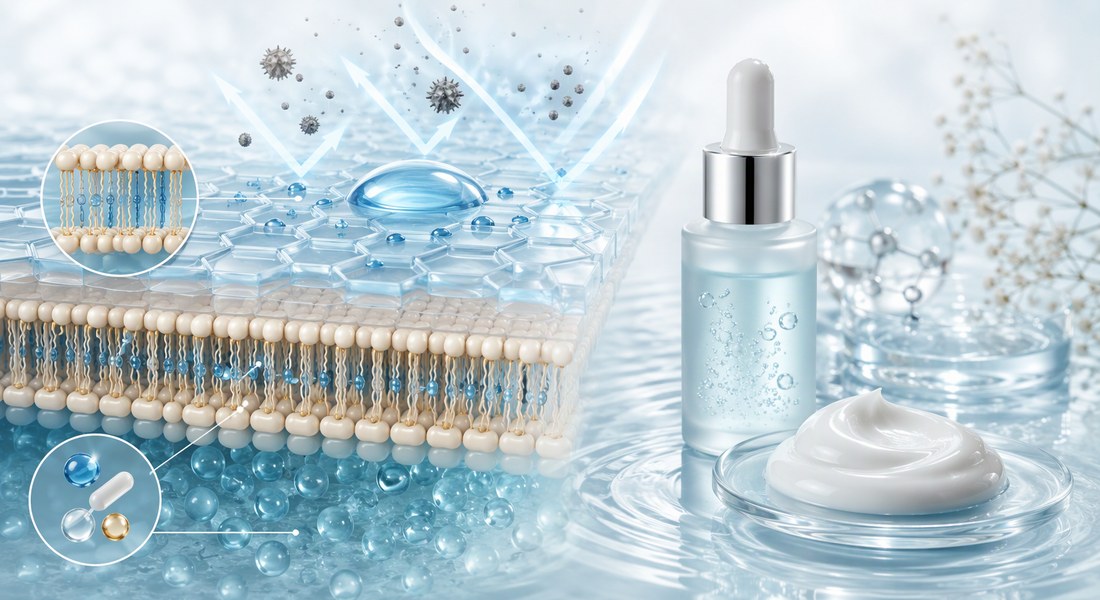
In addition to facial skin care, ceramides are finding applications in hair care and specialized personal care formulations.
Hair fibers contain lipid components that contribute to their surface properties, flexibility, and overall condition. Ceramide-containing ingredients are therefore being explored in hair care products designed to improve hair feel and support damaged hair treatments.
Potential applications include:
Ceramide shampoo
Ceramide conditioner
Hair repair masks
Leave-in hair treatments
Scalp care formulations
Advanced moisturizing products
In the broader cosmetics industry, ceramides are also being incorporated into facial serums, eye creams, lip care products, and premium moisturizing formulations.
This versatility makes ceramide an attractive ingredient for manufacturers developing multi-category personal care product portfolios.
For cosmetic manufacturers, dietary supplement brands, and ingredient distributors, selecting the right ceramide ingredient requires careful technical evaluation.
Several factors should be considered:
Source and Origin
Confirm whether the ceramide is plant-derived, fermentation-derived, or synthetically produced. For phytoceramides, identify the botanical source, such as rice, wheat, or konjac.
Active Content and Composition
Review the declared ceramide or glucosylceramide content, total lipid composition, and relevant analytical methods.
Product Form
Ceramide ingredients may be supplied in powder, oil, lipid concentrate, or other customized forms, depending on the source and manufacturing process.
Solubility and Formulation Compatibility
Ceramides are lipid-based ingredients with limited water solubility. Their dispersion, solubilization, and compatibility with other formulation components should be evaluated during product development.
Quality and Stability
Check the certificate of analysis, purity specifications, moisture content, microbiological parameters, and recommended storage conditions.
Regulatory and Technical Documentation
For international ingredient sourcing, buyers should review product specifications, safety documentation, allergen information, and market-specific regulatory suitability.
Reliable documentation and consistent batch quality are particularly important for manufacturers supplying the European and US markets.
The ceramide market is expected to continue developing as cosmetic science and nutritional research place greater emphasis on skin barrier health.
Three major directions are worth watching:
First, plant-based phytoceramides are likely to remain an important ingredient category as brands explore vegan and naturally sourced alternatives.
Second, advances in biotechnology and fermentation may provide additional opportunities to improve ceramide production efficiency and ingredient consistency.
Third, the integration of topical skin care and oral beauty supplementation may create new product development opportunities for brands targeting comprehensive skin wellness.
For ingredient suppliers, offering consistent quality, transparent sourcing information, technical support, and flexible product specifications will be important in meeting the evolving needs of global manufacturers.
Ceramide is becoming a valuable functional ingredient across the global cosmetics, personal care, and nutraceutical industries. Its role in skin barrier structure, moisture retention, and lipid balance has made it an important component of modern skin care formulations.
The growing interest in plant-derived phytoceramides, rice ceramide, wheat ceramide, and oral ceramide supplements is creating new opportunities for ingredient suppliers and product developers.
As the market evolves, ingredient source, molecular composition, active content, formulation compatibility, and reliable quality documentation will remain essential considerations for businesses sourcing ceramide raw materials.
Share to:


Send Inquiry

Ms. Linda
Tel:
Fax:
Mobile Phone:+86 18602905487
Email:sales3@sentianbio.com
Address:Room 2002, Building B, Economic Development Building, Weiyang District, Xian, Shaanxi
Related Products List
Mobile Site

Privacy statement: Your privacy is very important to Us. Our company promises not to disclose your personal information to any external company with out your explicit permission.
Fill in more information so that we can get in touch with you faster
Privacy statement: Your privacy is very important to Us. Our company promises not to disclose your personal information to any external company with out your explicit permission.