


Send Message
Privacy statement: Your privacy is very important to Us. Our company promises not to disclose your personal information to any external company with out your explicit permission.
News
Home > Industry News > Astaxanthin: A Rising Star in the Natural Antioxidant Ingredient Market
2026-11-19
Astaxanthin, a naturally occurring red-orange carotenoid, is attracting increasing attention across the global nutraceutical, functional food, and cosmetics industries. Known for its strong antioxidant properties, this ingredient is becoming an attractive option for manufacturers developing premium dietary supplements and beauty-from-within products.
One of the primary natural sources of astaxanthin is the microalga Haematococcus pluvialis. As consumer interest in naturally sourced ingredients, healthy aging, and preventive nutrition continues to grow, algae-derived astaxanthin is gaining commercial importance in the international ingredient market.
According to Grand View Research's 2026 market analysis, the global astaxanthin market is estimated at approximately USD 2.3 billion in 2026, with a projected compound annual growth rate of 9.5% through 2033. Although market estimates vary between research firms, the broader industry outlook points toward continued expansion.
The growing preference for natural ingredients is an important factor influencing astaxanthin market development.
Natural astaxanthin is primarily obtained from microalgae, particularly Haematococcus pluvialis. Compared with synthetic astaxanthin, natural and synthetic sources differ in their production processes, stereoisomer profiles, and intended applications.
For supplement brands targeting consumers interested in plant-based nutrition and clean-label formulations, naturally sourced astaxanthin offers an appealing ingredient positioning.
Key application areas include:
Antioxidant dietary supplements
Healthy aging and wellness formulations
Eye health and skin wellness products
Sports nutrition and recovery-oriented formulations
Premium botanical and algae-based supplements
This trend is encouraging ingredient suppliers and supplement manufacturers to pay closer attention to raw material origin, astaxanthin concentration, purity, and quality documentation.
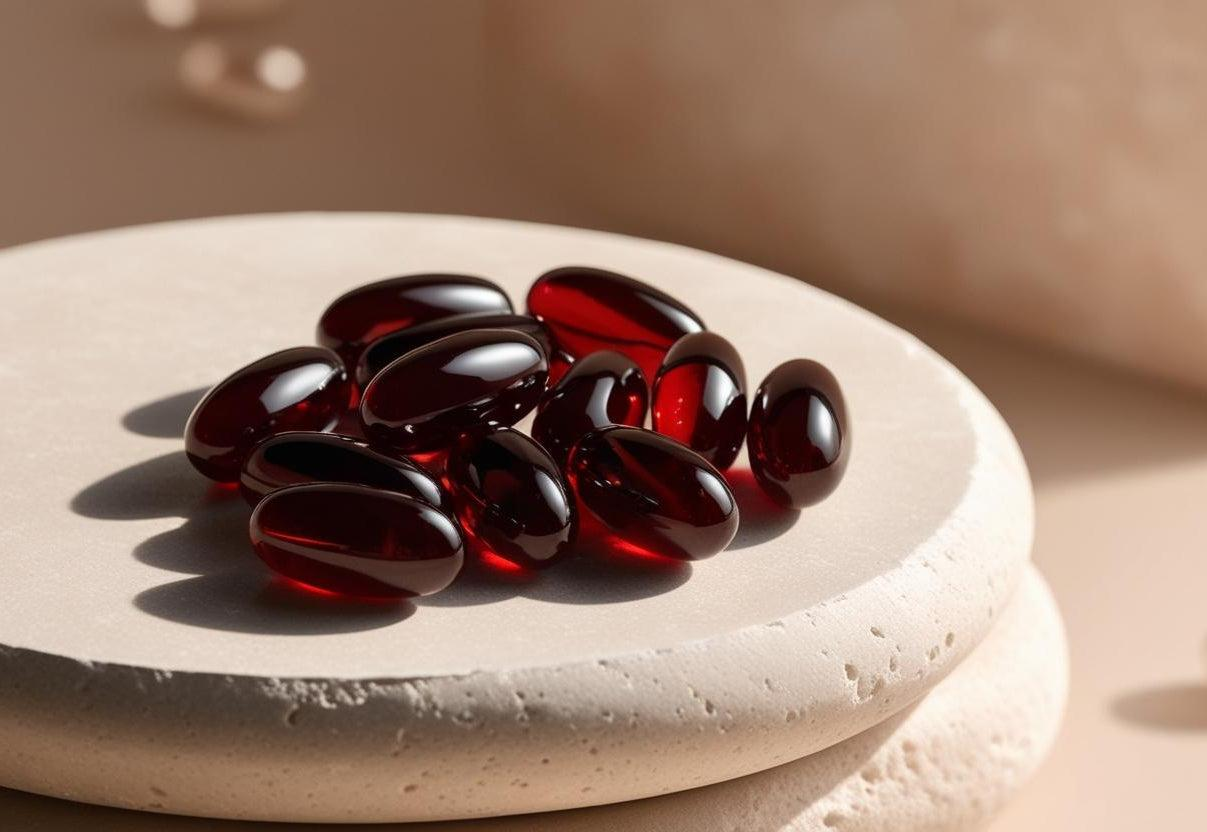
Healthy aging and beauty-from-within are two important consumer trends supporting the development of astaxanthin-based products.
Astaxanthin has been widely studied for its antioxidant activity and its potential role in protecting cells against oxidative stress. Research has also explored its relationship with skin health, eye health, and inflammatory pathways.
These research areas have encouraged supplement brands to explore astaxanthin in formulations designed for:
Skin health and beauty supplements
Eye health and visual wellness
Daily antioxidant support
Healthy aging formulations
Sports and active lifestyle nutrition
For the cosmetics industry, astaxanthin is also attracting interest as an ingredient in antioxidant-focused skincare products, including serums, creams, and facial care formulations.
Importantly, scientific research continues to evolve, and product health claims should be supported by appropriate clinical evidence and comply with the regulations of each target market.
Despite its promising applications, astaxanthin presents certain formulation challenges.
As a fat-soluble carotenoid, astaxanthin has limited water solubility and is sensitive to environmental factors such as light, oxygen, and heat. These characteristics can affect its stability during processing, storage, and product development.
To address these challenges, manufacturers are exploring different delivery and formulation technologies, including:
Oil-based formulations: Commonly used in softgel capsules, helping incorporate this lipophilic ingredient into supplement products.
Microencapsulation: Designed to improve ingredient protection, handling properties, and stability.
Beadlet formulations: Provide convenient options for powder-based supplement applications.
Emulsification and advanced delivery systems: Being investigated to improve dispersion and bioavailability.
A 2025 food formulation study demonstrated that the stability of astaxanthin can vary depending on the food matrix and formulation conditions. More recent research published in 2026 also highlights encapsulation strategies as an important direction for improving astaxanthin stability and delivery.
These developments are creating opportunities for ingredient suppliers that can provide suitable specifications and technical support for different manufacturing requirements.
Regulatory compliance remains an important consideration for companies introducing astaxanthin-containing products to international markets.
In December 2025, the European Food Safety Authority (EFSA) published a scientific opinion concerning an extension of the permitted uses of oleoresin from Haematococcus pluvialis containing astaxanthin as a novel food.
The assessment considered additional food applications, including dairy alternatives and certain fruit-based beverages. EFSA concluded that the proposed new uses were safe under the specified conditions, including restrictions relating to consumption by children and adolescents.
This development highlights the importance of monitoring ingredient-specific novel food authorizations, permitted applications, and usage conditions when developing products for the European market.
For manufacturers and importers, checking the regulatory status of the exact astaxanthin source, product form, and intended application is essential.
As the market expands, selecting the right astaxanthin supplier is becoming increasingly important for supplement brands and contract manufacturers.
Before purchasing, buyers should evaluate several factors:
| Evaluation factor | What to check |
|---|---|
| Raw material source | Natural algae-derived or synthetic |
| Active content | Astaxanthin concentration |
| Product form | Oil, powder, oleoresin or beadlets |
| Quality documentation | COA, specification and relevant test reports |
| Stability | Light, oxygen and temperature sensitivity |
| Packaging | Suitable protection against light and oxidation |
| Regulatory compliance | Requirements in the destination market |
Choosing a suitable ingredient specification from the beginning can help reduce formulation challenges and improve consistency throughout manufacturing.
Looking ahead, astaxanthin is expected to remain an interesting ingredient for companies developing premium nutritional supplements, functional foods, and antioxidant-focused cosmetic products.
The combination of natural sourcing, growing interest in healthy aging, and advances in formulation technology is creating new possibilities for astaxanthin applications.
For ingredient distributors, supplement brands, and OEM manufacturers, understanding the differences between natural and synthetic astaxanthin, as well as their respective technical and regulatory requirements, will be important when evaluating future product opportunities.
As demand for science-backed and differentiated ingredients continues to develop, astaxanthin is well positioned to remain an ingredient worth watching in the global health and wellness industry.
Share to:


Send Inquiry

Ms. Linda
Tel:
Fax:
Mobile Phone:+86 18602905487
Email:sales3@sentianbio.com
Address:Room 2002, Building B, Economic Development Building, Weiyang District, Xian, Shaanxi
Related Products List
Mobile Site

Privacy statement: Your privacy is very important to Us. Our company promises not to disclose your personal information to any external company with out your explicit permission.
Fill in more information so that we can get in touch with you faster
Privacy statement: Your privacy is very important to Us. Our company promises not to disclose your personal information to any external company with out your explicit permission.