


Send Message
Privacy statement: Your privacy is very important to Us. Our company promises not to disclose your personal information to any external company with out your explicit permission.
News
Home > Industry News > Hydrolyzed Collagen Peptides: Market Trends, Applications, and Growing Opportunities in the Global Nutrition Industry
2026-11-16
1. The Growing Demand for Hydrolyzed Collagen Peptides
Hydrolyzed Collagen Peptides are becoming increasingly popular in the global nutraceutical, functional food, beauty, and sports nutrition industries. As consumers pay more attention to healthy aging, skin wellness, joint health, and daily protein intake, collagen-based ingredients are gaining wider recognition among dietary supplement brands and food manufacturers.
According to Mordor Intelligence, the global collagen peptides market is estimated to reach USD 1.98 billion in 2026 and is projected to grow to USD 2.96 billion by 2031, representing a CAGR of 8.43%.
The growing popularity of beauty-from-within supplements, combined with increasing demand for functional nutrition products, is creating new opportunities for hydrolyzed collagen peptide manufacturers, ingredient suppliers, and private-label supplement brands.
For manufacturers looking to develop competitive nutritional products, high-quality collagen peptide powder has become an important ingredient to consider.
What Are Hydrolyzed Collagen Peptides?
Hydrolyzed collagen peptides, also known as collagen hydrolysate or collagen peptide powder, are produced through the enzymatic or other controlled hydrolysis of collagen proteins.
During hydrolysis, larger collagen protein molecules are broken down into smaller peptides with lower molecular weights, making the ingredient suitable for a wide range of nutritional and food applications.
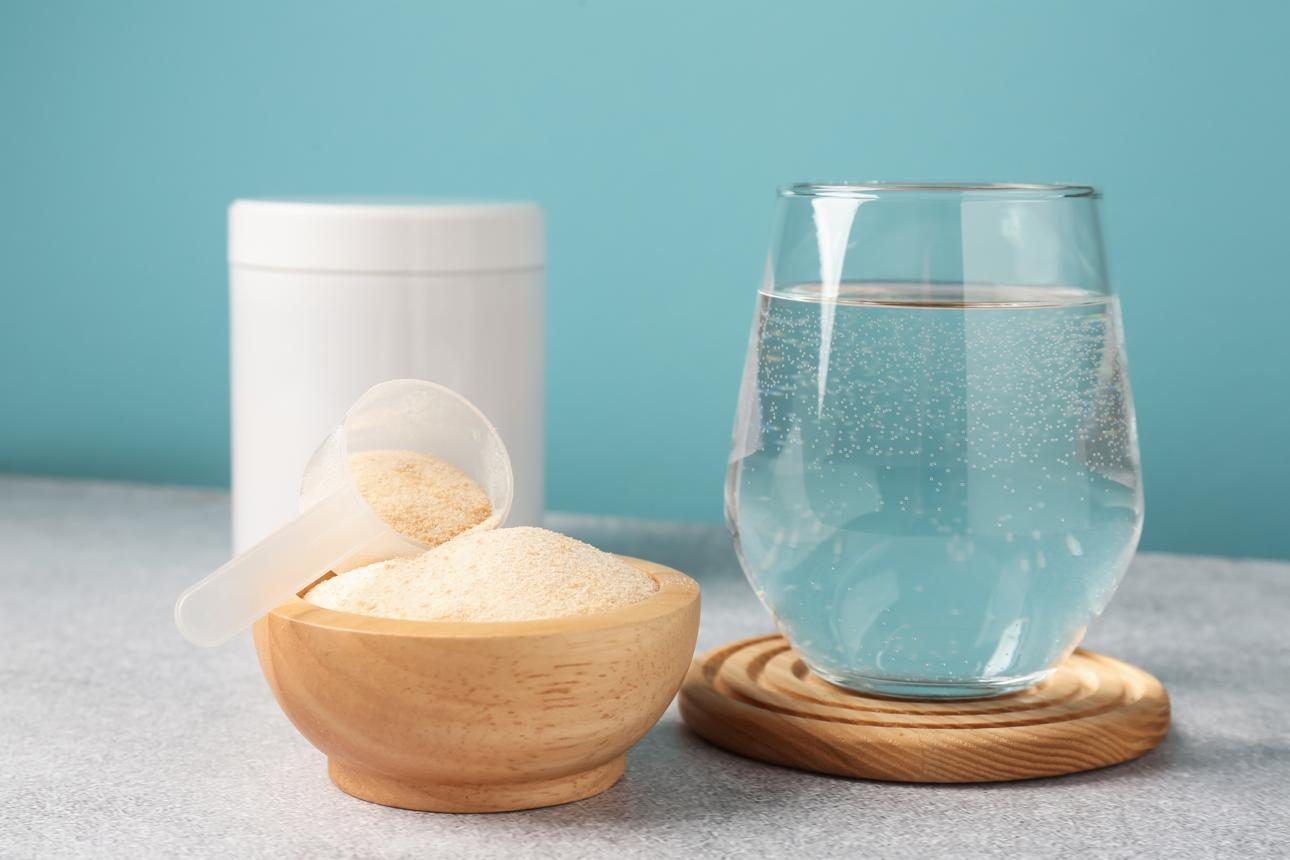
Compared with conventional gelatin, hydrolyzed collagen peptides generally offer better solubility in water and greater formulation flexibility. They are commonly available as free-flowing powders that can be incorporated into beverages, nutritional powders, capsules, tablets, and other supplement formats.
Common characteristics of hydrolyzed collagen peptides include:
High protein content, depending on the specification.
Good water solubility.
Neutral or relatively mild flavor, depending on the source and processing.
Flexible applications in dietary supplements and functional foods.
Different molecular weight options.
Availability from bovine, marine, porcine, and other collagen sources.
These characteristics make hydrolyzed collagen an attractive ingredient for manufacturers developing convenient, protein-rich nutritional products.
Major Sources of Collagen Peptides
The source of collagen is an important consideration when selecting collagen raw materials. Different sources offer different formulation characteristics, market positioning, and consumer appeal.
Bovine Collagen Peptides
Bovine collagen peptides are commonly derived from bovine hides or bones. They are widely used in dietary supplements, protein powders, beauty nutrition products, and joint health formulations.
Bovine collagen is often associated with Type I and Type III collagen and is a popular choice for manufacturers seeking versatile collagen ingredients.
Marine Collagen Peptides
Marine collagen peptides are generally sourced from fish skin and scales. They are frequently used in premium beauty-from-within supplements, skin care nutrition products, and functional beverages.
Marine collagen is particularly attractive to brands targeting consumers who prefer fish-derived collagen ingredients.
Porcine Collagen Peptides
Porcine collagen is another source used in food, pharmaceutical, and nutritional applications. However, manufacturers should consider regional market requirements, consumer preferences, and religious dietary restrictions when selecting this source.
When purchasing collagen peptide powder, buyers should evaluate the raw material source, protein content, molecular weight distribution, solubility, sensory characteristics, and quality documentation.
Key Applications of Hydrolyzed Collagen Peptides
The applications of collagen peptides continue to expand beyond traditional beauty supplements.
Beauty-from-Within Supplements
Skin health and beauty nutrition remain important application areas for hydrolyzed collagen peptides.
Collagen is a structural protein naturally found in the skin. Collagen peptide supplements are commonly incorporated into beauty formulations targeting skin hydration, elasticity, and overall skin wellness.
Popular product formats include collagen beauty powder, collagen peptide drinks, skin health capsules, collagen gummies, and beauty supplements combined with hyaluronic acid and vitamin C.
The growing beauty-from-within trend is encouraging supplement brands to develop more convenient and multifunctional collagen products.
Joint and Bone Health Supplements
Collagen peptides are also widely used in nutritional formulations targeting joint and bone health.
They are frequently incorporated into products designed for active adults, older consumers, and individuals interested in maintaining mobility and an active lifestyle.
Common formulation combinations include collagen peptides with vitamin C, vitamin D, calcium, magnesium, and other complementary nutrients.
Sports Nutrition and Protein Supplements
Another important application is sports nutrition.
Collagen peptide powder can be incorporated into protein blends, recovery-oriented nutritional products, and daily protein supplements.
As sports nutrition products diversify, manufacturers are exploring collagen-based formulations alongside traditional whey protein, plant protein, and other functional ingredients.
However, collagen is not a complete protein and should not automatically be considered a replacement for proteins that provide all essential amino acids.
Functional Foods and Beverages
Hydrolyzed collagen peptides are increasingly being explored in functional food and beverage formulations.
Their powder form and water solubility make them suitable for applications such as ready-to-drink collagen beverages, protein coffee and functional latte powders, collagen-infused smoothies, protein bars, nutritional snacks, instant nutritional drink mixes, and functional food powders.
These applications allow manufacturers to introduce collagen into convenient everyday products.
Emerging Trends in the Collagen Supplement Market
Several developments are shaping the future of the collagen peptide industry.
Multifunctional Collagen Formulations
Instead of developing collagen-only supplements, more brands are exploring combinations with hyaluronic acid, vitamin C, biotin, zinc, antioxidants, and other functional ingredients.
These combinations allow manufacturers to create differentiated products for beauty nutrition, healthy aging, and general wellness.
Convenient Supplement Formats
Consumer preferences are encouraging the development of collagen powders, ready-to-drink beverages, liquid collagen, capsules, tablets, and gummies.
Powder remains an attractive format because it offers flexibility in dosage, packaging, flavor customization, and formulation.
Growing Interest in Marine Collagen
Marine collagen peptides are receiving attention in premium beauty and nutritional supplement markets.
Brands are exploring fish-derived collagen ingredients to expand their product portfolios and address specific consumer preferences.
Science-Based Ingredient Selection
Today's supplement manufacturers are paying greater attention to ingredient specifications and supporting documentation.
Protein content, molecular weight distribution, amino acid profiles, solubility, sensory characteristics, raw material traceability, and quality testing are important considerations when evaluating collagen peptide suppliers.
Expansion Beyond Beauty Nutrition
Collagen peptides are increasingly being positioned in broader nutritional categories, including sports nutrition, active aging, mobility support, and functional beverages.
This diversification provides additional opportunities for ingredient suppliers and contract manufacturers.
How to Choose a Reliable Hydrolyzed Collagen Peptide Supplier
For dietary supplement manufacturers and ingredient distributors, choosing a reliable collagen peptide supplier is essential for maintaining consistent product quality and production efficiency.
Before placing an order, buyers should consider the following factors:
Raw Material Source: Confirm whether the collagen is bovine, marine, porcine, or another source.
Protein Content: Check the protein percentage and corresponding analytical method.
Molecular Weight: Request molecular weight specifications and distribution information.
Solubility: Evaluate dissolution performance for the intended application.
Sensory Profile: Check color, odor, and taste, particularly for beverage and beauty supplement formulations.
Quality Documentation: Review the Certificate of Analysis, microbiological testing, heavy metal testing, and other relevant quality documents.
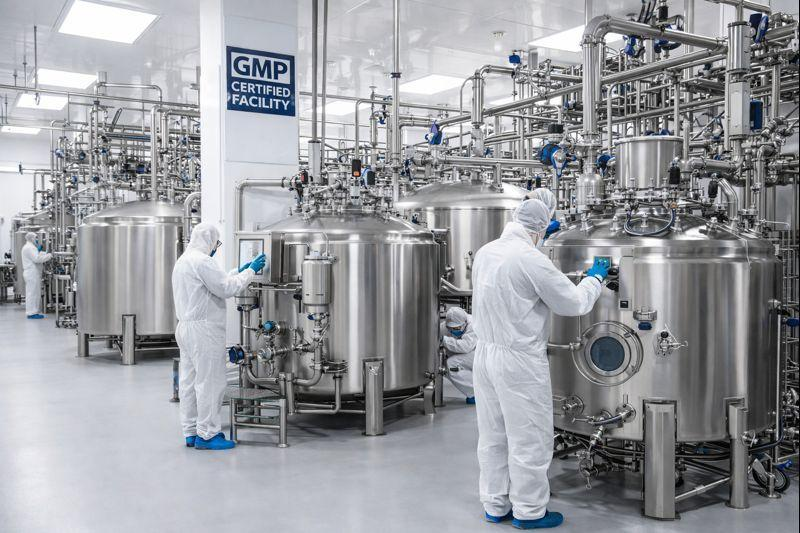
Production Consistency: Ensure the supplier can provide stable specifications and reliable batch-to-batch quality.
Packaging and Logistics: Confirm packaging options, MOQ, lead time, and international shipping arrangements.
A qualified collagen peptide supplier should be able to provide technical documentation and support customers in selecting suitable specifications for their intended applications.
Hydrolyzed Collagen Peptides for OEM and Private Label Supplement Manufacturing
In addition to supplying collagen peptide raw materials, manufacturers can explore finished product development through OEM and private label services.
Hydrolyzed collagen peptides can be developed into various supplement formats, including collagen peptide powder in bulk or retail packaging, collagen capsules and tablets, collagen gummies, collagen softgels where formulation requirements permit, flavored collagen drink mixes, and collagen blends with vitamin C, hyaluronic acid, and other ingredients.
For supplement brands, customized formulation, flavor development, dosage selection, packaging design, and private labeling can help create products that better match their target markets.
Working with a supplier that understands both raw material specifications and finished supplement manufacturing can also simplify the product development process.
Conclusion: New Opportunities for the Hydrolyzed Collagen Peptide Industry
The global demand for hydrolyzed collagen peptides is being supported by growing interest in beauty-from-within nutrition, healthy aging, sports nutrition, and functional foods.
As product development moves toward more diversified formulations and convenient delivery formats, collagen peptide powder is expected to remain an important ingredient in the global nutraceutical and functional nutrition industries.
For supplement brands, distributors, and contract manufacturers, selecting a reliable hydrolyzed collagen peptide supplier is an important step toward developing consistent and competitive products.
At Xi'an Sentian Biotechnology Co., Ltd., we provide nutritional ingredients and customized OEM/ODM supplement solutions for global customers. Our product portfolio includes hydrolyzed collagen peptides and a range of functional nutritional ingredients.
Whether you are sourcing bulk collagen peptide powder or developing customized collagen supplements, our team can support your ingredient sourcing and product development requirements.
Contact SENTIAN to discuss your collagen peptide sourcing needs and OEM supplement projects.
Share to:


Send Inquiry

Ms. Linda
Tel:
Fax:
Mobile Phone:+86 18602905487
Email:sales3@sentianbio.com
Address:Room 2002, Building B, Economic Development Building, Weiyang District, Xian, Shaanxi
Related Products List
Mobile Site

Privacy statement: Your privacy is very important to Us. Our company promises not to disclose your personal information to any external company with out your explicit permission.
Fill in more information so that we can get in touch with you faster
Privacy statement: Your privacy is very important to Us. Our company promises not to disclose your personal information to any external company with out your explicit permission.